Field notes
11 November 2025
State the higher-frame bias before you mark the hourly
A practical order of work for multi-timeframe alignment: begin with the daily story, then let the four-hour refine, and only then open the hourly for timing.
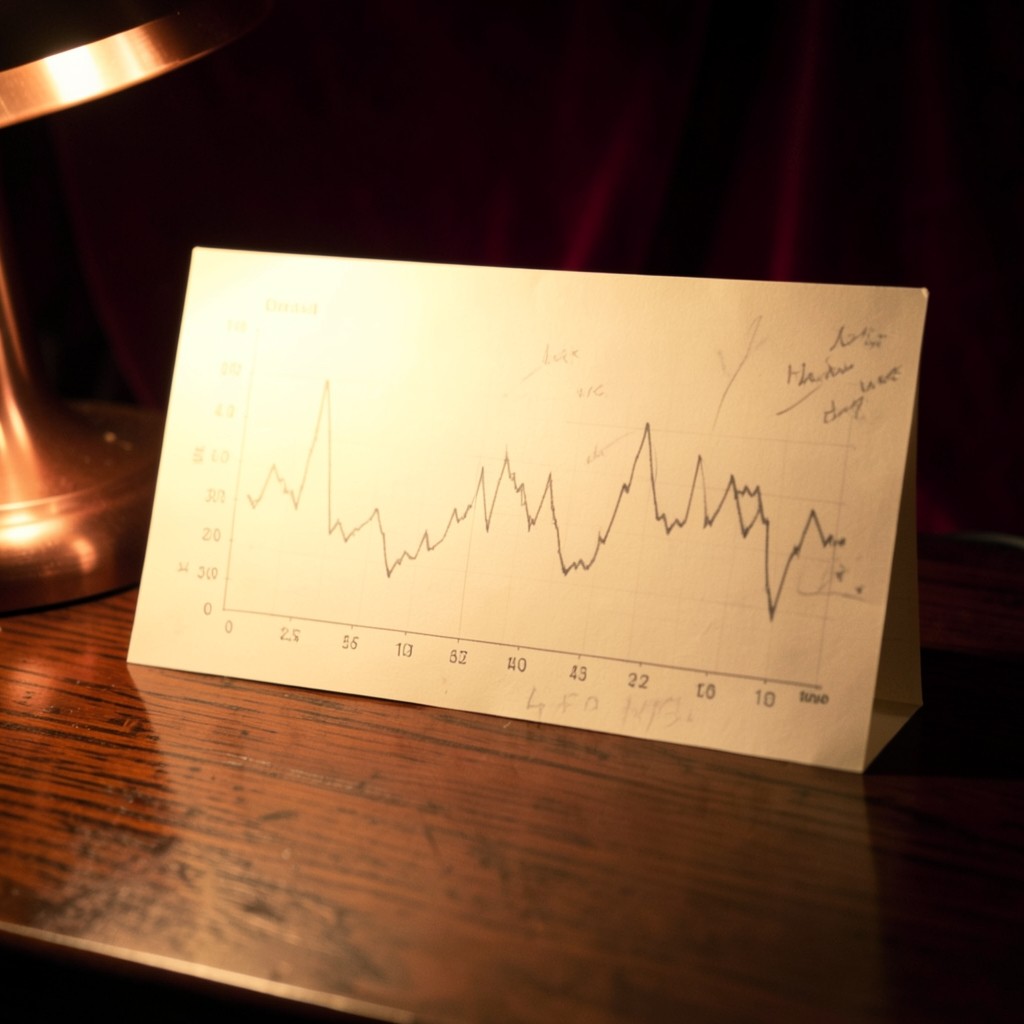
Most conflicting entries begin with the same habit: opening the lowest timeframe first and inventing a story that fits the latest candle. Multi-timeframe alignment coaching reverses that order. You write a short bias statement on the daily or weekly chart before you touch the hourly.
A useful bias statement names direction, location, and condition. For example: "Daily still respects the rising swing sequence; price is mid-range under prior supply; I only look for longs that agree with this until a lower low prints." That sentence becomes the filter for everything smaller.
On the four-hour, you do not rewrite the bias. You locate structure that either supports or challenges it: pullbacks into prior demand, failed breaks, or overlapping ranges that warn the higher story is tired. If the four-hour clearly contradicts the daily, you pause rather than force an hourly entry.
Only after those two frames agree do you open the hourly for timing. Timing is not a new thesis. It is a smaller expression of the same idea. Traders who train this sequence report fewer impulsive flips when a single lower candle looks dramatic.
In our Admiralty sessions we practice writing the bias card aloud before marking anything lower. The discipline feels slow at first. After a few weeks it becomes the quiet spine of the trading week.